Critical menstrual and reproductive health gaps—unsafe practices, no awareness, and unaffordable pads—endanger women nationwide, especially the severely excluded tea estate communities of Bangladesh.
Nirbhoya is a women-centered social innovation initiative designed to address menstrual and reproductive health inequities among marginalized women and girls in Bangladesh, with a primary focus on indigenous tea estate communities and a scalable national vision. The project integrates community-based awareness, an inclusive digital health platform, and a women-led social enterprise to address the interconnected challenges of low awareness, stigma, digital exclusion, and period poverty. By intentionally designing solutions for women living at the margins low-income, low-literacy, and culturally silenced our project ensures that menstrual and reproductive health becomes accessible, affordable, and dignified.
1. Community-Based Awareness and Education
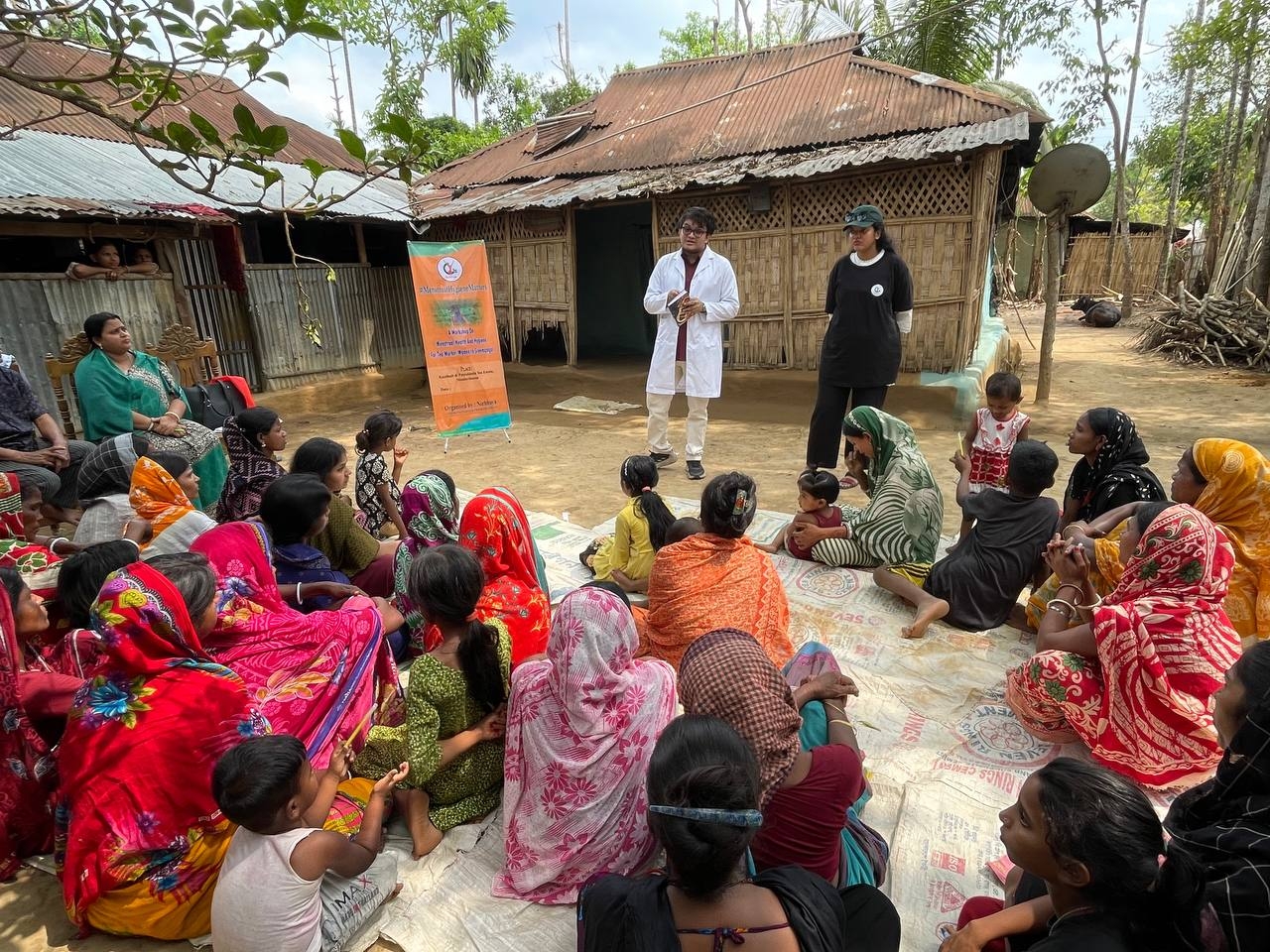
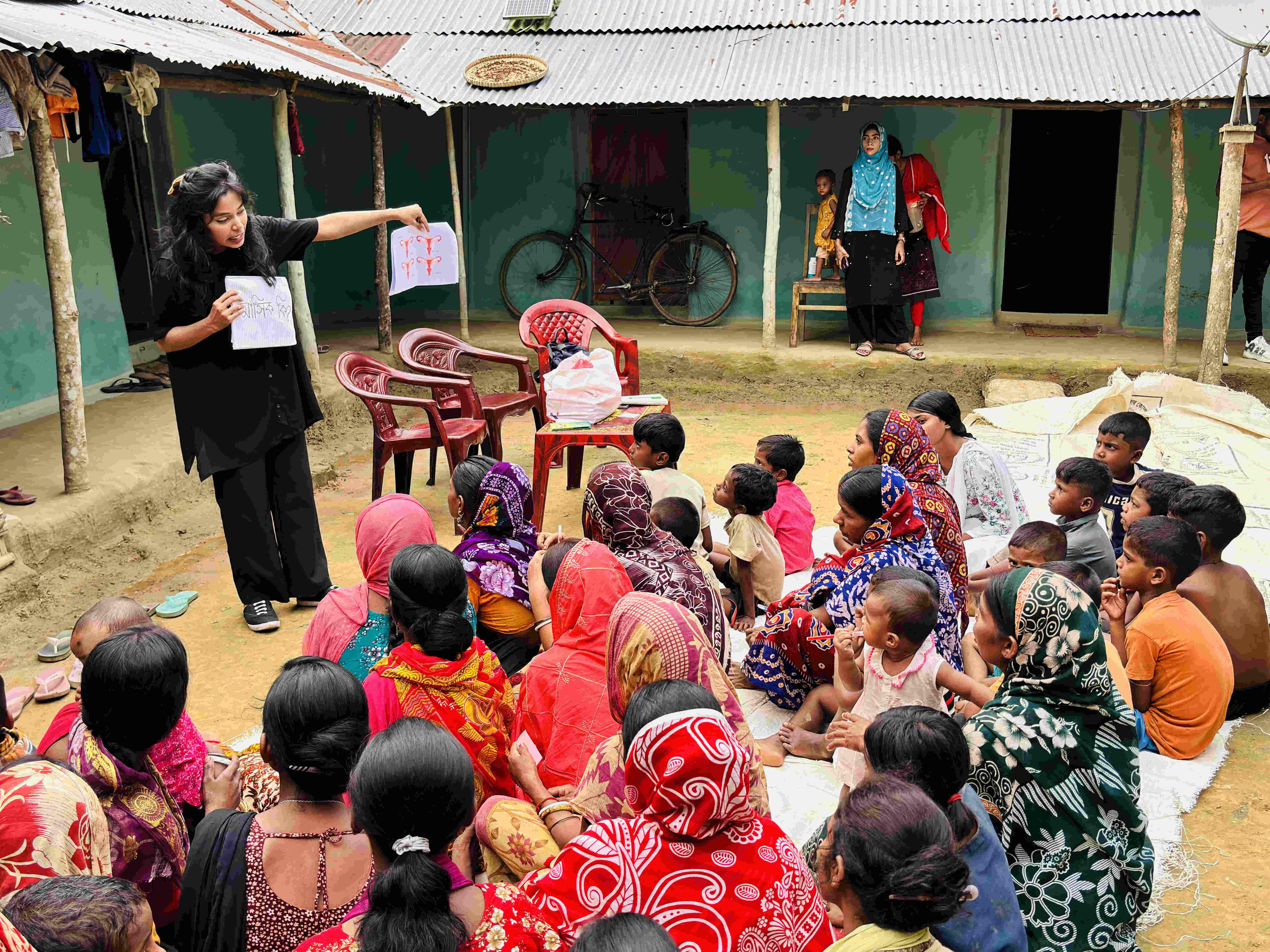
At the foundation of Nirbhoya lies its grassroots awareness model, developed specifically for women and adolescent girls in low-literacy, high-stigma environments such as the tea estates of Sreemangal. Nirbhoya conducts culturally sensitive menstrual and reproductive health sessions that address menstrual hygiene, reproductive tract infections, correct contraceptive use, family planning, and awareness of cervical cancer, topics that are often completely absent from these communities. Sessions are designed interactively using visual aids, storytelling, real-life examples, and open dialogue, allowing women to engage without relying on written materials. To counter stigma, resistance and ensure long term sustainability, Nirbhoya actively involves local youth volunteers and trusted community leaders to help normalize conversations around menstruation and women’s health. These local youth groups also get trained by our expert team to sustain these awareness sessions by themselves in their own communities.
To date, Nirbhoya has conducted 20+ awareness sessions, reaching over 500 women and adolescent girls, and has trained 15 volunteers many from the same communities, to continue awareness activities, ensuring sustainability beyond external facilitation. Post session feedback shows that many participants are learning about menstrual hygiene risks, contraceptive side effects, and cervical cancer for the first time, directly addressing the ignorance that turns preventable conditions into lifelong health problems.
2. Inclusive Digital Health Solution (Nirbhoya App)
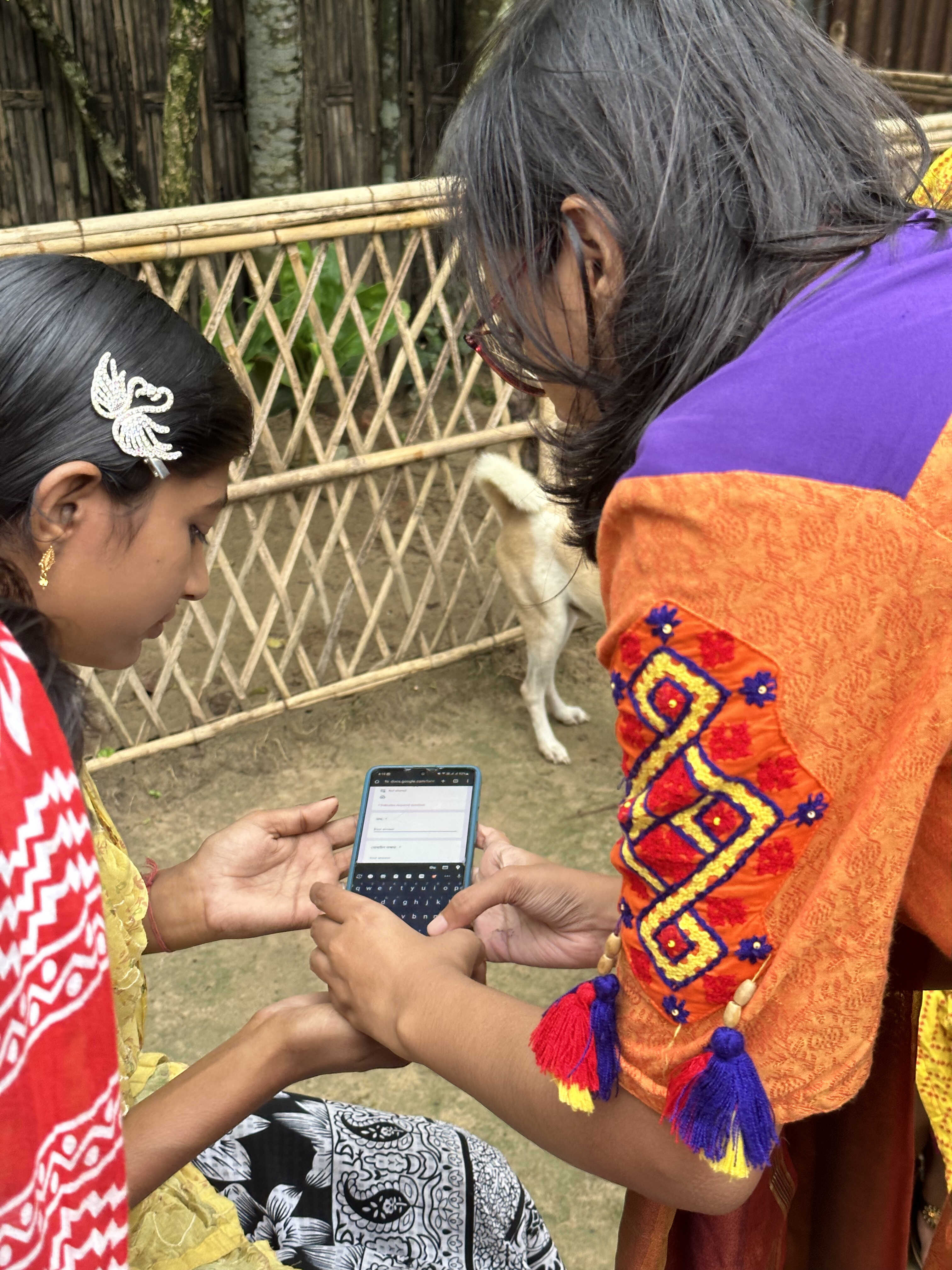
To extend access beyond physical sessions and reach all classes of women across Bangladesh, Nirbhoya developed a bilingual digital health application designed for inclusivity and privacy. The Nirbhoya app provides AI based menstrual cycle and fertility tracking, reproductive and mental health education, and stigma-free educational content on menstrual, mental and reproductive health in Bangla and English. Recognizing that many users are semi-literate or first-time smartphone users, our app incorporates visual and voice-based features, simplified language, and culturally appropriate content. It enables women to understand their cycles, recognize warning signs of infections, learn correct contraceptive use, and access mental health and well-being support related to menstruation and reproductive stress. Nirbhoya app also acts as a safe, private space where women can access information without fear or social judgment, which is particularly critical in conservative environments.
The app is designed as a freemium model, ensuring that essential health information remains free while offering advanced, AI-powered features through a low-cost subscription (20 BDT/month). This structure allows women from low-income backgrounds to access core services while ensuring long-term financial sustainability. Our digital platform also serves as a bridge between community-level awareness and national impact, allowing Nirbhoya to scale its reach to women who may never attend an in-person session due to distance, mobility restrictions, or social constraints. The app has already been piloted with 200+ users and got a significant amount of positive feedbacks that shows measurable improvements in menstrual awareness and digital health engagement.
3. Women-Led Social Enterprise for Period Poverty Reduction
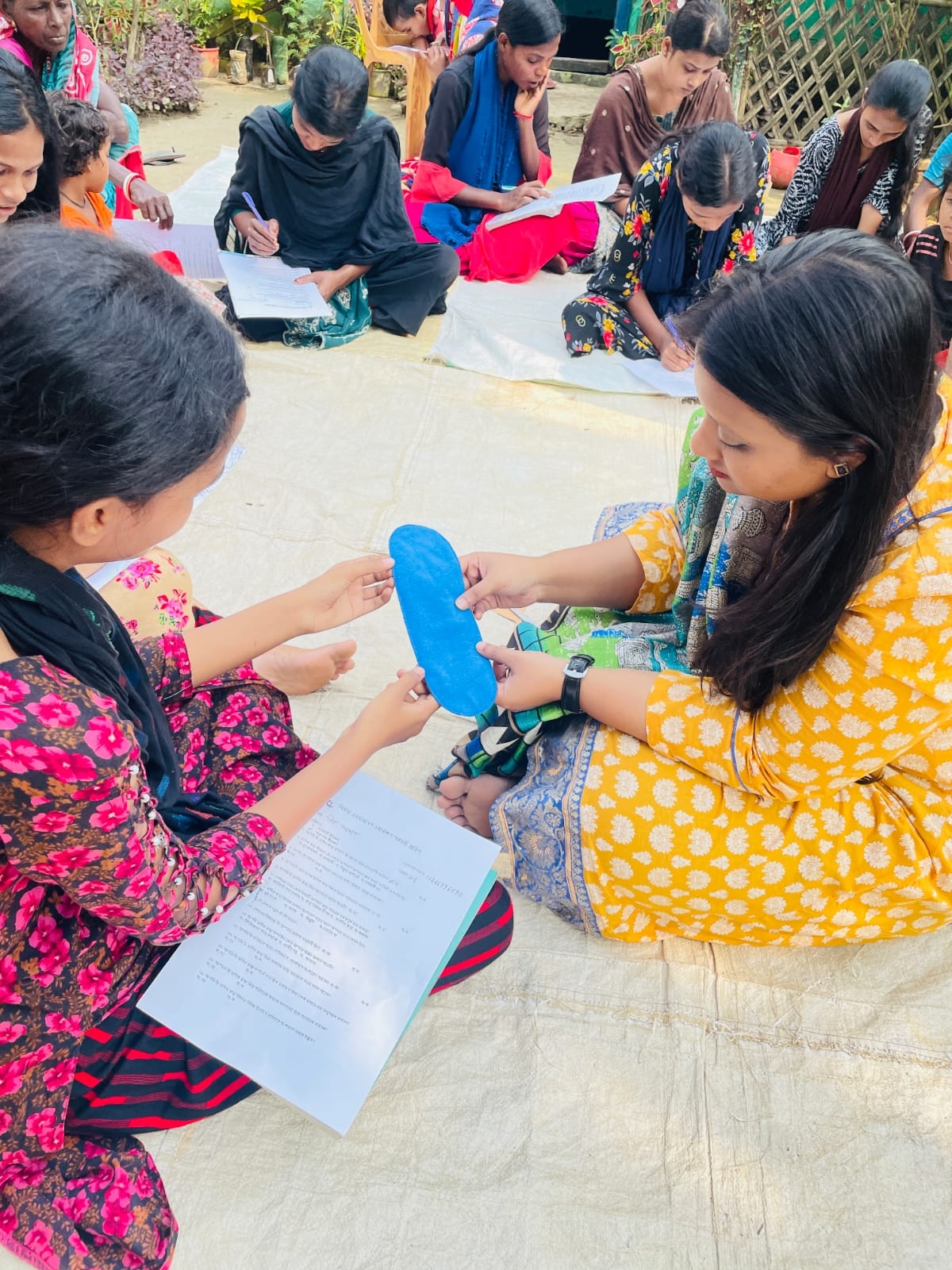
Awareness and information alone are insufficient if women cannot afford safe menstrual products. To address this structural barrier, Nirbhoya operates a community-led social enterprise that directly targets period poverty while creating income opportunities for marginalized women. We train tea estate women to produce low-cost, reusable sanitary pads, which are then sold within their own communities at an affordable price of 30 BDT (USD 0.25) per unit.
This model replaces unsafe menstrual materials with affordable hygienic alternatives while generating livelihood opportunities for women who earned only 178 BDT (USD 1.45) per day by working as tea pluckers. Revenue from pad sales, along with a portion of app subscriptions, is reinvested into awareness programs, scaling up pad production, and educational support for underprivileged girls in tea estates. To date, 15 women have been directly trained in pad production, with broader participation involving over 100 women across different stages of the initiative and 300 units of pads have been sold so far. Our social enterprise has already improved access to affordable hygiene products, reduced reliance on unsafe materials, and contributed to women’s financial empowerment within one of Bangladesh’s most marginalized labor groups.