
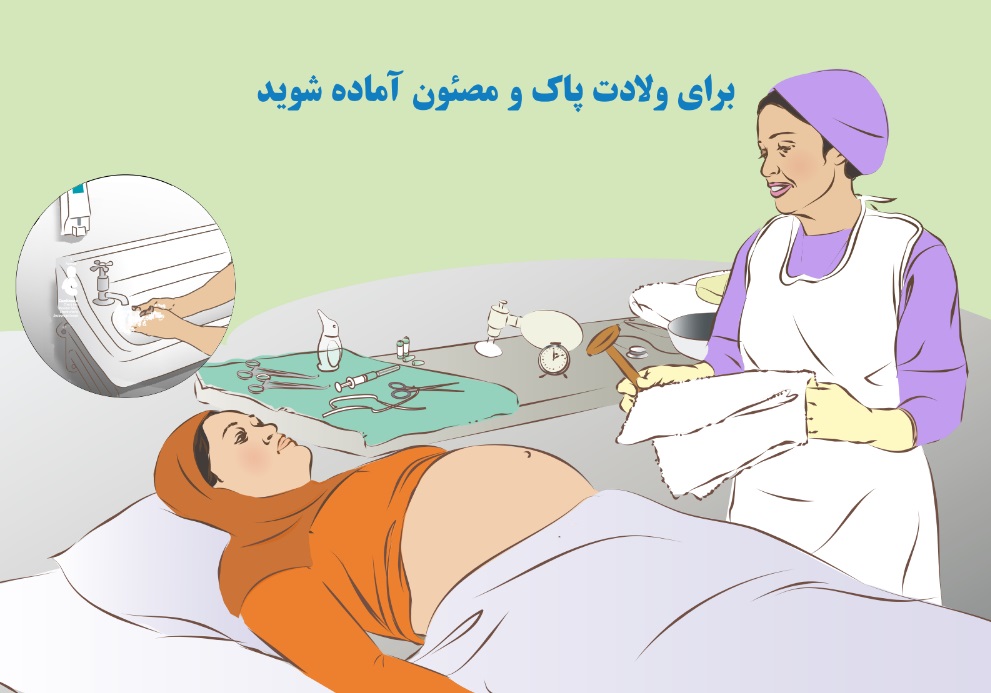
Remote Afghan women lack access to reproductive health education and services. Mother-to-Mother Circles provide peer-led, trust-based learning to empower informed choices.
Women in remote Afghan communities face critical barriers to accessing reproductive health education and services. Geographic isolation, low literacy, restrictive cultural norms, and limited exposure to health information contribute to low knowledge and uptake of family planning methods. Many women experience unintended pregnancies, limited control over their reproductive choices, and restricted agency in family and community decision-making.
Mother-to-Mother Circles addresses these challenges through small, peer-led discussion groups designed to be culturally appropriate and practical. Each circle includes 5–7 women, facilitated by a trusted local Mother Educator, who is trained to use visual aids, story cards, and participatory exercises to explain family planning methods such as condoms, pills, IUDs, and injections. Sessions are interactive, focusing on real-life scenarios, shared experiences, and addressing myths and fears. Mothers are encouraged to ask questions freely and discuss challenges, creating a safe environment for learning without judgment or formal reporting.
The project follows a structured approach: selection and training of Mother Educators, formation of circles, weekly or biweekly sessions, and continuous mentoring and support from local midwives or health workers. Monitoring is based on attendance, engagement, and qualitative feedback rather than rigid metrics, preserving trust and community ownership.
This human-centered, trust-based model is innovative because it transforms health education from a top-down, formal system into a community-driven, participatory design. It leverages existing social networks, requires minimal infrastructure, and is adaptable to low-resource rural contexts. By empowering women with knowledge and confidence to make informed reproductive choices, the project aims to increase the adoption of family planning methods, reduce unintended pregnancies, and promote gender equality.
The long-term impact of Mother-to-Mother Circles is sustainable. Trained Mother Educators continue to facilitate new circles, creating a ripple effect across communities. As knowledge spreads and social norms shift, women gain enduring agency over their reproductive health, families make healthier decisions, and communities experience lasting improvements in maternal and child health outcomes.