
In Rwanda, menstrual stigma and limited SRH education fuel inequality; 8% of girls aged 15–16 are teen mothers, reflecting urgent gaps in safe, adolesscent friendly, inclusive support.
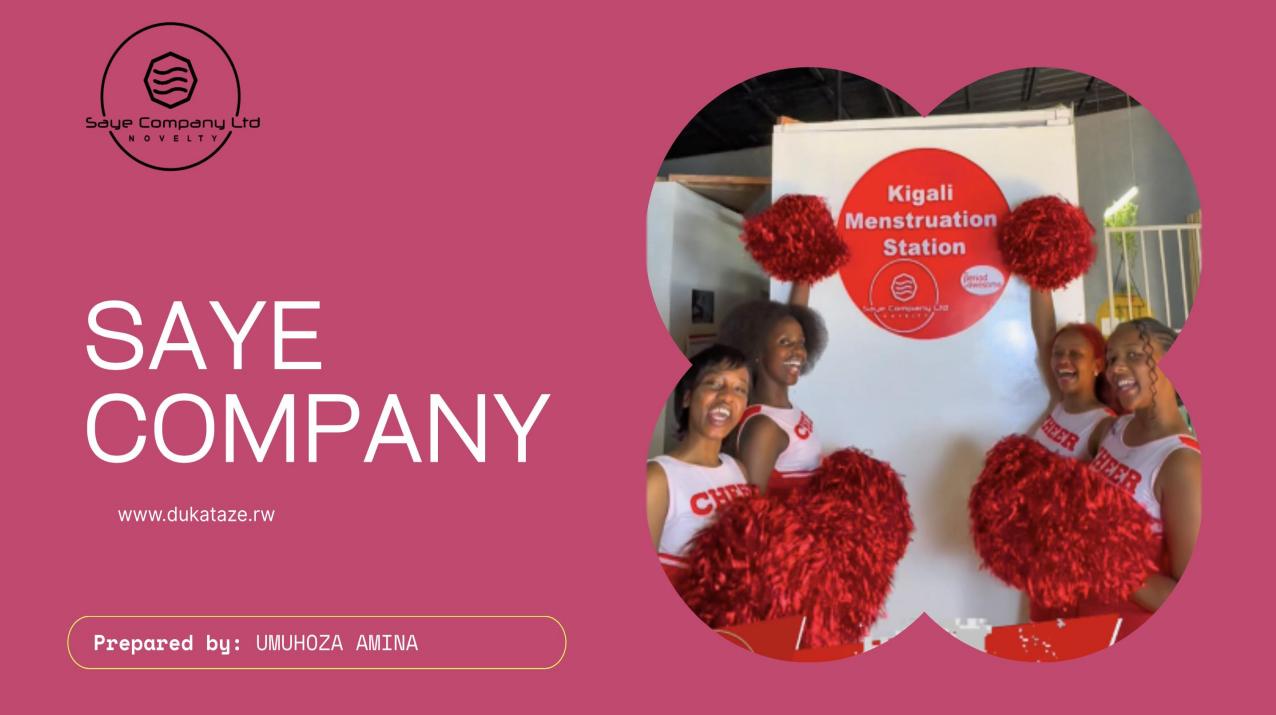
The Kigali Menstruation Station is Rwanda’s first inclusive adolescent safe space dedicated to menstrual health, teenage pregnancy prevention, and comprehensive sexual and reproductive health education for both girls and boys. It is not merely a service center; it is a social innovation model that uses spatial and digital design to advance gender equality.
Physically, the station provides free menstrual products, hygiene facilities, showers, and a safe resting area for adolescents who need comfort or privacy. It hosts structured SRHR sessions, peer conversations, game-based learning activities, mentorship meetings, and youth-led events. Girls receive support to manage menstruation with dignity and confidence, while boys engage in guided discussions that challenge stigma and promote empathy. By learning together, both genders reshape social norms that perpetuate inequality.
Virtually, the station extends its impact beyond its walls. Through digital platforms, adolescents access interactive content about menstruation, consent, relationships, and reproductive health. The platform integrates inclusive features such as sign language interpretation and offline accessibility for schools without stable internet. This dual model ensures scale, equity, and long-term sustainability.
The station also integrates creative tools such as comic-based storytelling and educational games to make learning engaging and relatable. It fosters peer leadership, allowing adolescents to co-create sessions and influence programming. In doing so, the Kigali Menstruation Station moves beyond information delivery it cultivates confidence, voice, and agency.
By designing both a physical and virtual ecosystem, the project demonstrates how inclusive environments can dismantle stigma, reduce absenteeism, prevent teenage pregnancy, and build a generation that understands gender equality as a shared responsibility.
iza Comic Book uses storytelling and relatable characters to simplify complex SRH topics such as puberty, consent, menstruation, and decision making, creating safe entry points for discussion in schools and community spaces. It also has a digital audio theatre version that can be listened to, making it accessible for people with visual impairments, and a web based version that can be installed in computer labs for use without internet. The content can be read in about one hour or listened to in 30 minutes, a format preferred by adolescents.
kotana is an interactive board game that promotes open, stigma-free conversations on Sexual and Reproductive Health and Rights among adolescents through fun, team-based play. By embedding SRHR topics into everyday-style conversations, similar to how people discuss sports, politics, or entertainment, the game normalizes learning while creating a comfortable and engaging space to discuss often-taboo subject.
Kigali Menstruation Station is a period positivity education hub available in both physical and digital formats. The physical station combines a curated photo gallery, immersive experience chambers on menstruation, hygiene, and pain, period-proof bathrooms with free menstrual products, and interactive tools like puzzles, the Iriza comic, and the Kotana board game, all facilitated to encourage safe and open conversations. The digital version offers an accessible virtual tour with sign language interpretation, and participants who complete the tour and assessment receive a Certificate of Period Positivity. Link to watch https://youtu.be/wUk4eSLOC_E?si=tQax2KJ_YD8w8gK-
 kigali menstruation station saye innovation.pdf