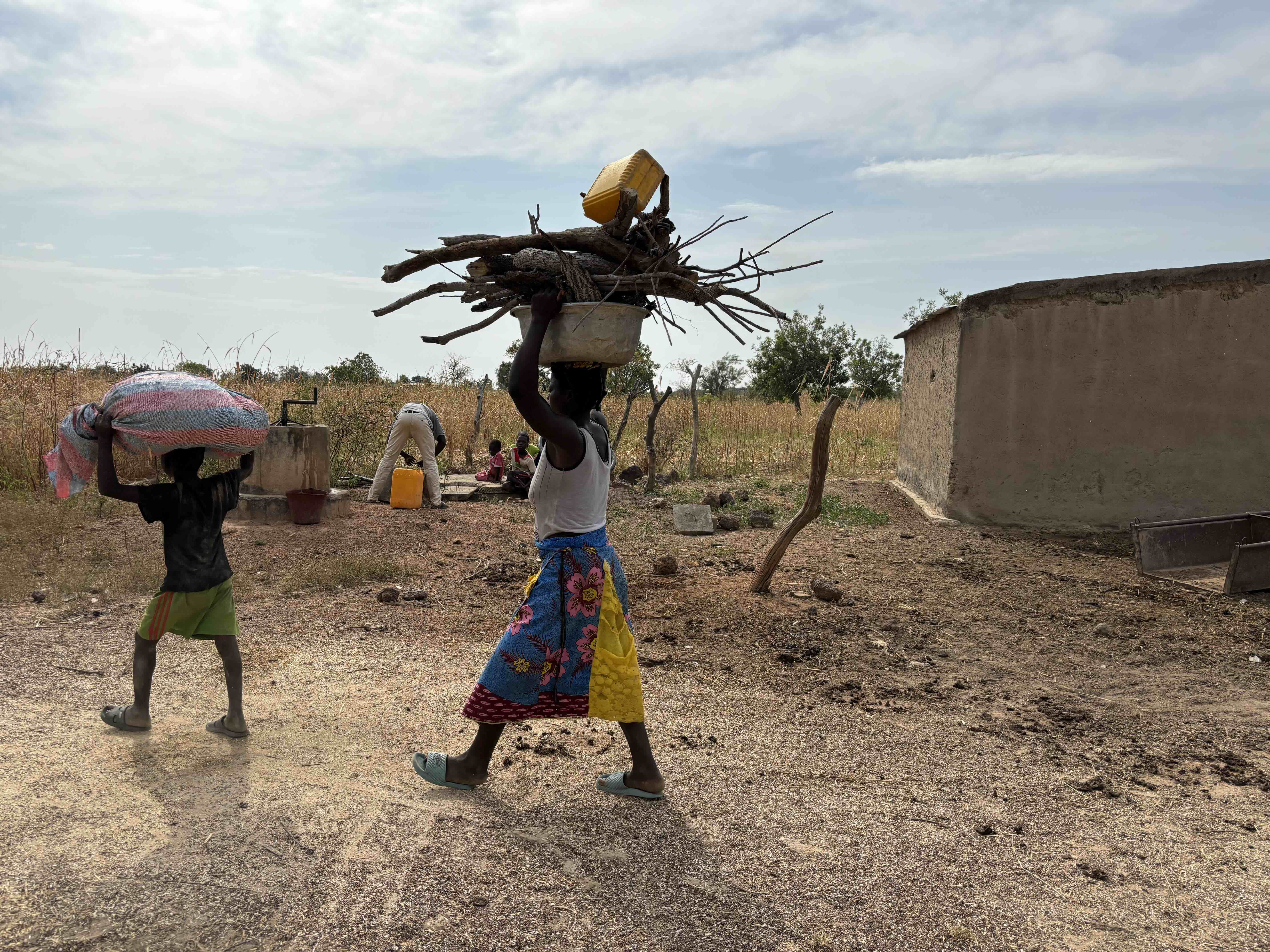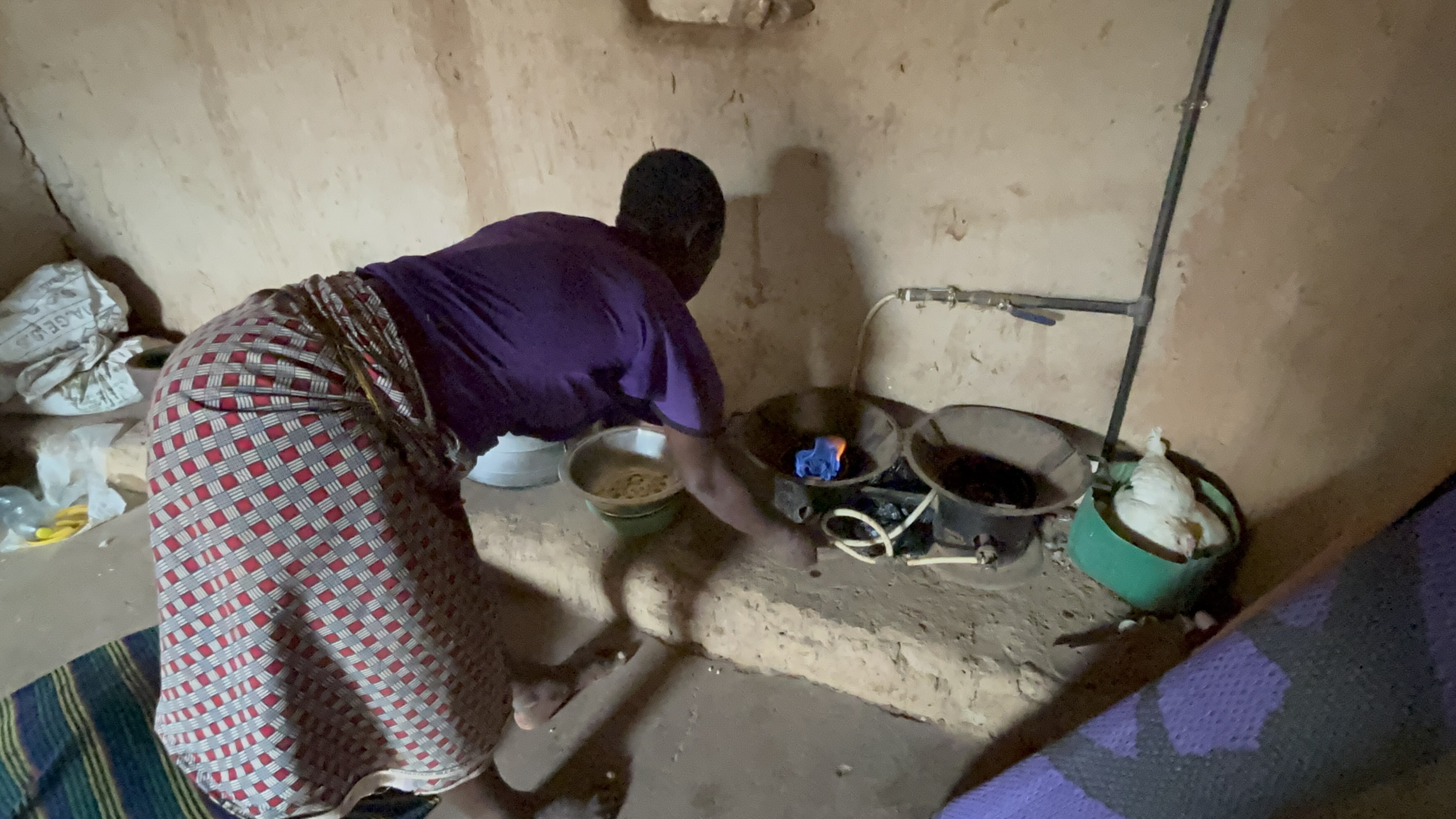
Rural women and girls in West Africa lack access to clean cooking energy, harming their health, income, safety, and education while reinforcing gender inequality and energy poverty.
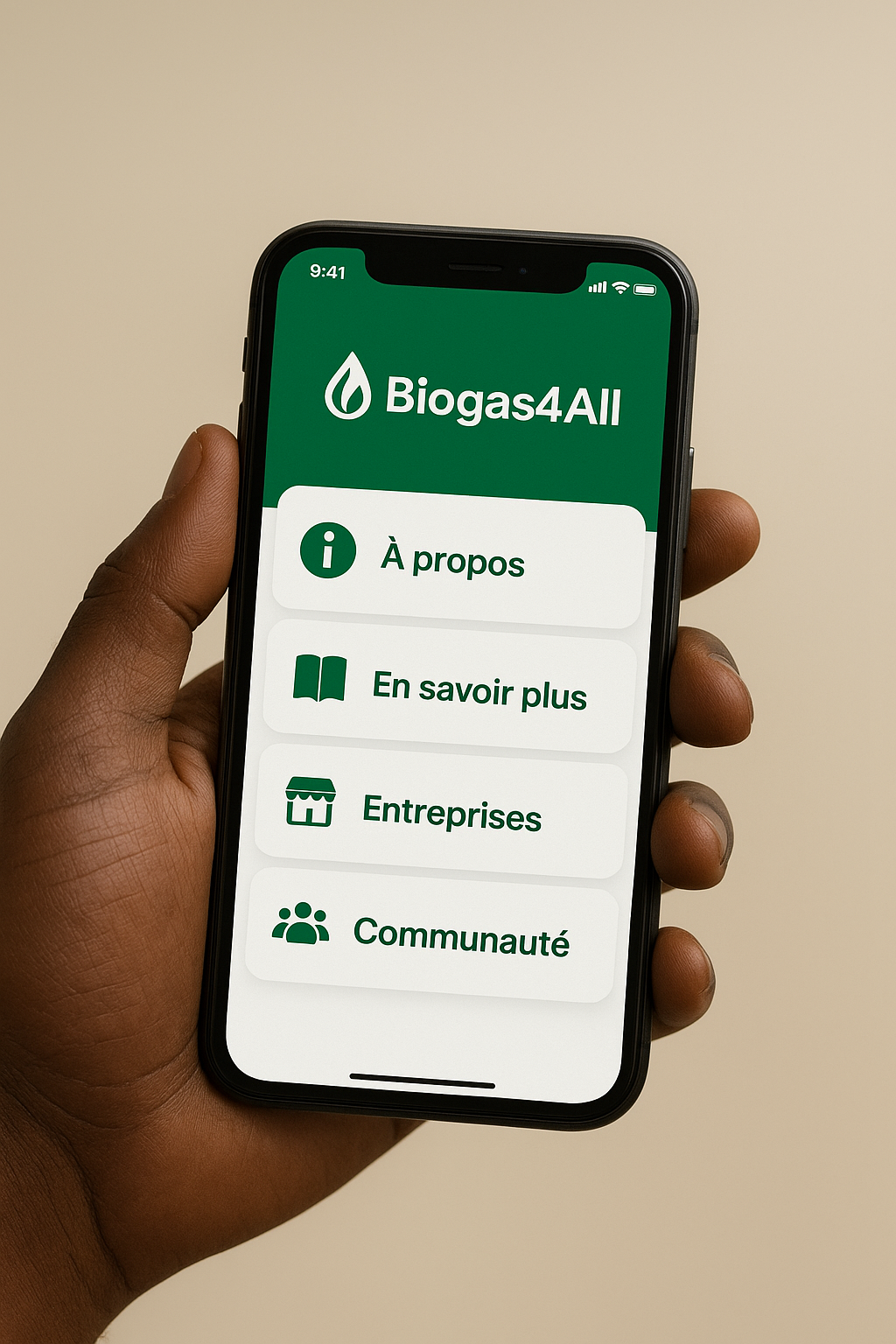
Biogas4All is designed as more than a clean energy awareness app. It is a gender-responsive digital infrastructure developed to solve the systemic barriers preventing rural women from adopting biogas technology.
Most clean cooking interventions focus on distributing hardware. However, many biogas systems fail due to lack of user education, absence of maintenance support and most importantly exclusion of women from energy decision-making.
Biogas4All innovates in five key ways.
1. Women-Centered Education
The platform is designed specifically for women who are the primary users of cooking energy but often excluded from energy investment decisions. It uses:
– Audio-visual content in local languages for low-literacy users;
– Simple guides on biogas installation, maintenance, and benefits;
– Health education on the risks of indoor air pollution;
This shifts women from passive beneficiaries to informed energy decision-makers.
2. Marketplace and Technical Support
One of the main reasons biogas systems fail is lack of after-installation support. Biogas4All will:
– Connect women to verified biogas companies;
– Provide direct messaging for maintenance requests;
– Include a rating and accountability system to improve service quality.
This builds trust in the technology and reduces system abandonment.
3. Digital Cooperative Model for Women and Peer Learning
The app will host a digital community space where women can:
– Share experiences and troubleshooting advice;
– Form cooperatives for collective investment;
– Organize group purchases to reduce costs.
4. Economic Empowerment
Biogas reduces fuel costs and restores women’s ability to engage in food processing businesses. Additionally:
– Slurry by-product usable as organic fertilizer can be sold;
– Women can sell surplus biogas locally;
– Partnerships with microfinance institutions will support affordable payment models.
5. Sustainability Model
To ensure long-term viability:
– Biogas companies will pay premium listing and advertising fees;
– The platform will integrate commission-based service matching.
Future revenue streams may include carbon credit partnerships and data-driven insights for clean energy programs.
In sum, this project directly addresses structural gender inequalities by:
– Reducing women’s exposure to harmful smoke;
– Decreasing time spent collecting firewood;
– Lowering girls’ school dropout rates;
– Increasing women’s income-generating opportunities;
– Enhancing women’s decision-making power in household energy choices;
– Reducing risk of gender-based violence linked to firewood collection.
Clean cooking is not only an energy issue, it is a health, education, safety, climate, and economic justice issue for women and girls.